Naomi Quinn, Robert Sapolsky and Claudia Strauss: Our Discussants

For the Encultured Brain session we have three great discussants.

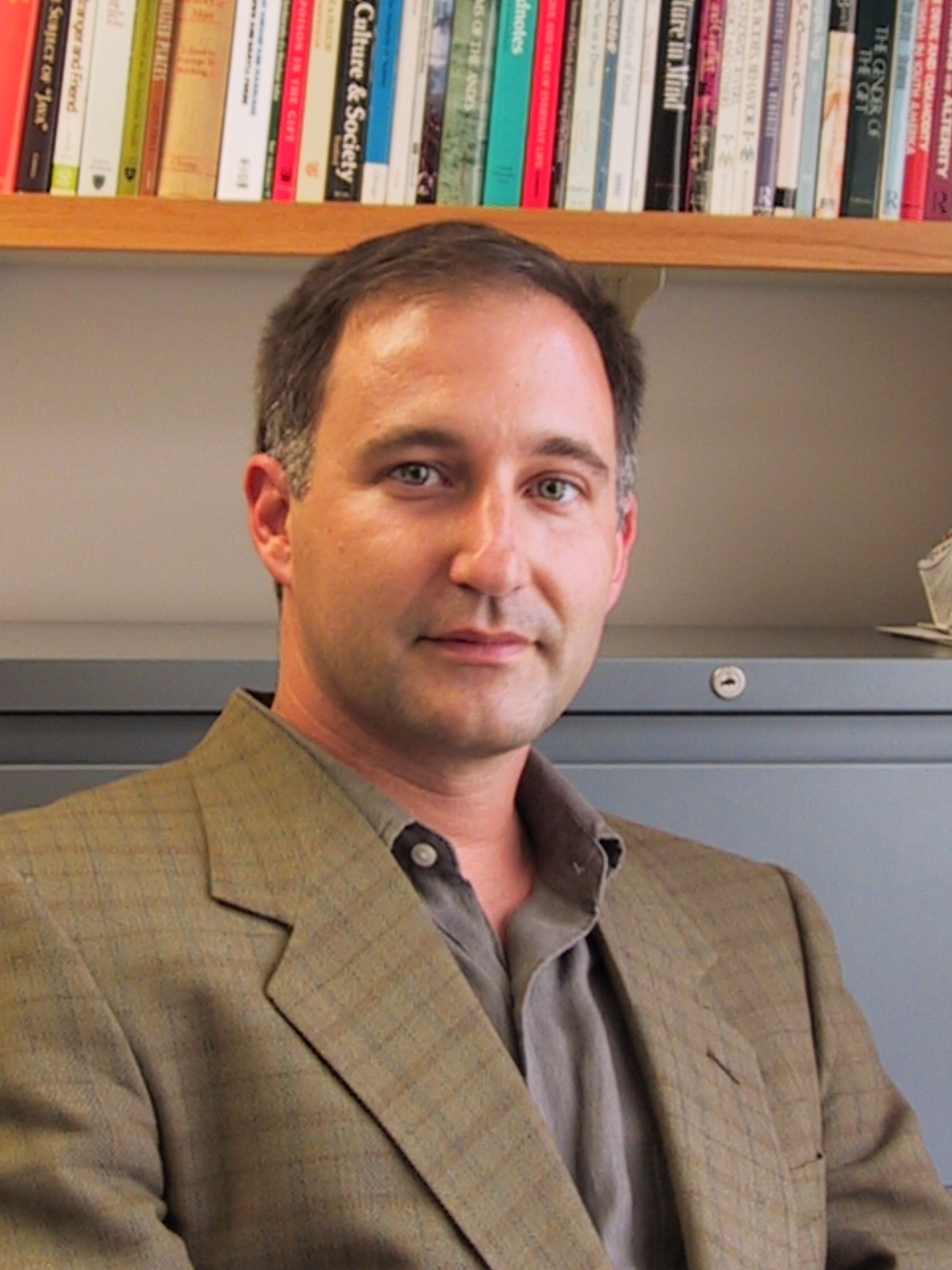
Naomi Quinn is Professor Emeritus in anthropology at Duke University. From her profile there, here’s a snippet of why she is such a great person to discuss our work: “Her enduring interest is in the nature of culture: its sharedness, force, enduringness, and thematicity. She is part of a current effort in cognitive anthropology to explain these and other properties of culture on the basis of schema theory and, within this framework, to relate culture to language, cognition, motivation, affect, psychodynamic processes, and individual experience, research and theory represented by a series of books, book chapters, and articles.” She is the co-editor of one of the foundational texts in psychological anthropology in the last 25 years, Cultural Models in Language and Thought. And she and Claudia Strauss co-authored A Cognitive Theory of Cultural Meaning, which brings us connectionism, schema theory, language and more to bear on the hard problem of culture and meaning.

Robert Sapolsky is a professor in biology, neurology and medicine at Stanford. He is author of the classic Why Zebras Don’t Get Ulcers and lots more great books besides. An expert on stress, baboons, inequality, and more, Sapolsky is one of the most integrative and popular scientists around. His most recent book is Monkeyluv: And Other Essays on Our Lives as Animals. The Publishers weekly blurb makes one blush: “There are many things one might expect to find within the covers of a collection of essays by a Stanford professor of biology and neurology: a rich understanding of the complexities of human and animal life; a sensitivity to the relationship between our biological nature and our environmental context; a humility in the face of still-to-be-understood facets of the human condition. All these are in Sapolsky’s new collection, along with something one might not expect: wry, witty prose that reads like the unexpected love child of a merger between Popular Science and GQ, written by an author who could be as much at home holding court at the local pub as he is in a university lab. ”

Claudia Strauss is professor of anthropology at Pitzer University. Strauss is co-editor of another classic in recent psychological anthropology, Human Motives and Cultural Models. Her chapter in that volume, What Makes Tony Run? Schemas as Models Reconsidered (Flickr even has the schema!), still presents a consideration of individual-cultural relations that stands as a direct challenge to neuroanthropological work today. Along with Naomi Quinn, Strauss introduced a 2006 issue of Anthropological Theory on key terms – like the imaginary (her chapter) – in psychological anthropology.

Daniel Lende, Ethnography and Addiction

daniel-lende
Final entry for the Encultured Brain presenters. Daniel Lende will give the paper Ethnography and the Encultured Brain: Design, Methods and Analysis with the following abstract:

This paper outlines core methodological considerations for neuroethnographic research, covering research design, methods and data analysis. With design, researchers focus on the interaction between neuropsychological processes and local cultural practices, often by attending to the interplay between experiences, behaviors, and contexts. For example, compulsive drug use involves both the function of the mesolimbic dopamine system and the meaning of changes in subjective experience, and is linked to specific contexts that separate users from normative cultural domains.

With methods, researchers use interviews that help informants to produce their own “thick descriptions” of their daily experiences; utilize participatory phenomenology to grasp possible linkages between brain functions and social practices; and employ participant observation to attend to people’s embodied interactions within specific contexts, often focusing on how context and practice feedback to shape behavior and experience. For example, substance abuse involves a series of linked behaviors and experiences in distinct settings. Informants can describe each step in this “cycle of addiction” if asked for more than the knee-jerk answers they often give about illegal drug use.

With analysis, “mutually consistent” interpretations should attend to the concerns of both cognitive neuroscience and psychological anthropology. Using this consistency criterion, grounded theory can be used to build from experiences, behaviors and contexts towards robust explanations that draw on both the relevant neurobiological and sociocultural processes. For example, the cycle of addiction can be usefully explained through the combination of compulsive drug use and ritualized behavior jointly driving highly destructive levels of drug use.

Daniel is a professor of anthropology at Notre Dame. He specializes in medical and psychological anthropology, with a particular focus on neuroanthropology and the integration of biological and cultural theory. He is also concerned with applied outcomes and community-based research.

Daniel’s research centers on behavioral health, with on-going projects on substance abuse, breast cancer, HIV/AIDS, and eating behaviors. His main research problem has been addiction, where he aims to build a holistic approach to understanding substance use and abuse. His publications on addiction range over evolution, desire and intentions, and culture (pdfs available from the author).

Evolution Meets Biopsychosociality: An Analysis of Addictive Behavior

Evolution and Modern Behavioral Problems: The Case of Addiction

Wanting and Drug Use: A Biocultural Analysis of Addiction

Functional Methamphetamine Use: The Insiders’ Perspective

Colombia y la Prevención Sociocultural del Uso de Droga (Colombia and the sociocultural prevention of drug use)

With addiction or any anthropological problem, Lende is interested in theory development – theory that reaches for what we know about a phenomenon – rather than theory that reduces the phenomenon to one perspective or cause (say, evolution or brain circuits or social structures). As Walt Whitman wrote long ago in Song of Myself, “I am large, I contain multitudes.” Theory can aim for what Whitman expressed in a mere six words.

To accomplish that, it is important to adequately describe the problem in question, as well as challenge basic assumptions and have a framework to think through problems. Ethnography can help greatly with comprehensive description – if we see the problem better, then we can see where theory needs to go. Ethnography also helps us engage directly with a particular problem, and thus in its own way is a way to “think through” things. Those acts of description and thinking through generally end up challenging what we thought we knew about something like addiction.

Ethnography that attends to evolution, brain function and individual experience, as well as to cultural practices and social structures and symbols, is one of the most powerful methods we have at our disposable. But that requires opening our view about what qualitative research is after – it can help us examine brain problems as much as culture problems, and everything in between too.

For those of you who cannot make the AAA meeting in San Francisco, here is the paper Daniel will give: Lende 2008 AAA Paper. It opens the Encultured Brain session, so provides some initial background before turning to ethnography and neuroanthropology.

If you wish to contact Daniel, you can reach him at dlende at nd.edu

Greg Downey and the Synergy of Sport

greg-downey
Greg Downey is a lecturer in anthropology at Macquarie University. As part of the Encultured Brain session, he will give the presentation A Comparative Neuroanthropology of Equilibrium in Sports and Dance. His abstract goes:

Retaining one’s balance, especially given bipedalism, is a complex sensorimotor challenge. Some theorists, such as philosopher Jerry Fodor, have suggested that the extraordinary speed and facility of human equilibrium suggest it is a mental “module,” a domain specific, automatic, encapsulated neural tool. This presentation examines the claim that equilibrium is a mental module in light of comparative ethnographic and psychological data, and proposes a more complex “nodular” neural system of equilibrium that is subject to enculturation. This nodular system model is more consistent with neurological imaging and other research, including successful efforts to compensate for damaged vestibular systems using prostheses to the sense of touch.

In fact, balance is not so much “a sense” as a shifting synthesis of motor responses and multiple sensory streams — including the vestibular system, vision, and certain key proprioceptive regions. The system typically operates without conscious awareness, but training in physical disciplines such as sports can lead individuals to develop new ways of achieving equilibrium in demanding situations, such as while spinning and leaping, grappling, colliding with others, or even standing on one’s hands.

Ethnographic research on the acrobatic Afro-Brazilian martial art, capoeira, and the presenter’s practical experience as a dance instructor and athlete, suggest how variations in training can affect an individual’s “senses” of balance, practically, phenomenologically and neurologically. For example, because vision can compensate when the vestibular system is unable to function normally (for example, when spinning, inverted, or moving violently), so strategies of looking can directly impact how people successfully balance.

Greg’s book Learning Capoiera: Lessons in Cunning from an Afro-Brazilian Art discusses his long-term ethnographic work with capoiera masters in Brazil. Here is the Amazon blurb:
learning-capoeira

Learning Capoeira is an ethnographic study based on author Greg Downey’s extensive research about capoeira and more than ten years of apprenticeship. It looks at lessons from traditional capoeira teachers in Salvador, Brazil, capturing the spoken and unspoken ways in which they pass on the art to future generations. Downey explores how bodily training can affect players’ perceptions and social interactions, both within the circular roda, the “ring” where the game takes place, as well as outside it, in their daily lives. He brings together an experience-centered, phenomenological analysis of the art with recent discoveries in psychology and the neurosciences about the effects of physical education on perception. The text is enhanced by more than twenty photos of capoeira sessions, many taken by veteran teacher, Mestre Cobra Mansa.

Greg is presently writing another book tentatively titled “The Athletic Animal: Sports, Evolution, and the Human Body’s Potential.” As he writes on his website, “This book uses elite athletes to demonstrate how humans modify their own bodies, nervous systems, and senses. Far from being the “brainy geeks” of the animal kingdom, I argue, humans are among the most physically versatile because of the plasticity of our nervous system and our ability to guide the development of our own (and each other’s) bodies. Ironically, the subject has led me to a type of holistic anthropology I was not trained to do, one that brings social and cultural research and theory together with attention to psychology, the brain sciences, physiology, and ecology.”

Why do sports matter? Here is one answer from Greg. “I’m working on a new project on rugby across three different ethnographic sites, looking into how different training techniques generate different types of skills, even in the same positions and sports, in Australia, New Zealand, and Fiji. I think it has profound implications for things like national differences in sporting ability, the sort of thing that people point to frequently to demonstrate that differences between ‘races’ are obvious. It’s an interesting flipside to the medical anthropology work, which studies cultural impacts on dysfunction, because I’m really looking at heightened functioning.”

Greg has published the articles Producing Pain: Techniques and Technologies in No-Holds-Barred Fighting; Educating the Eyes: Biocultural Anthropology and Physical Education; and most recently Scaffolding Imitation in Capoeira: Physical Education and Enculturation in an Afro-Brazilian Art. You can also read his piece on the neuroanthropology of balance and equilibrium here on-site.

If you would like to get in touch with Greg, his email is gdowney at mq.edu.au

Hal Odden, Theory of Mind, and Human Development

odden_headshot
Harold Odden is another presenter at our Encultured Brain session. His paper is on Ethnopsychologies and Children’s Theory of Mind: Finding Common Ground between Anthropology, Psychology, and Neuroscience. So the abstract:

Developmental psychologists have argued that successful negotiation of everyday social interactions rests on having a “theory of mind,” an understanding of how others’ behaviors can be understood in terms of internal mental states, such as beliefs, desires, and intentions. Substantial research efforts over the past 30 years have been directed at understanding the trajectory and psychological impact of the development of a theory of mind in young children. A consistent thread in this work has been questions regarding the relative role of contextual features in the ontogeny of theory of mind. Recent research has pointed to ways by which different aspects of the child’s developmental milieu, such as social ecology and the use of mental-state language, may indeed have an appreciable impact. This attempt to situate this developmental process in a social and cultural context should be met with enthusiasm by psychological anthropologists, who have long held an interest in local models of self, emotion, and psychology across cultures. Further impetus for a renewed interdisciplinary conversation has been generated by recent discoveries and methodological advancements in neuroscience. In particular, work on mirror neuron systems suggests them to be possible neural mechanisms underpinning theory of mind and other key social cognitive processes such as imitative learning. This paper will discuss some of the possible linkages to be drawn in these three fields of research, and argue that there are great opportunities for developing a more robust understanding of theory of mind and ethnopsychologies through an interdisciplinary approach.

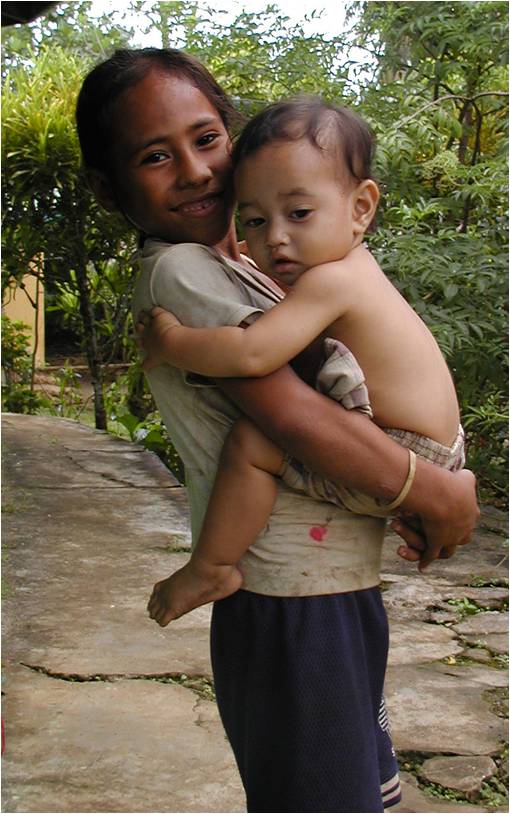
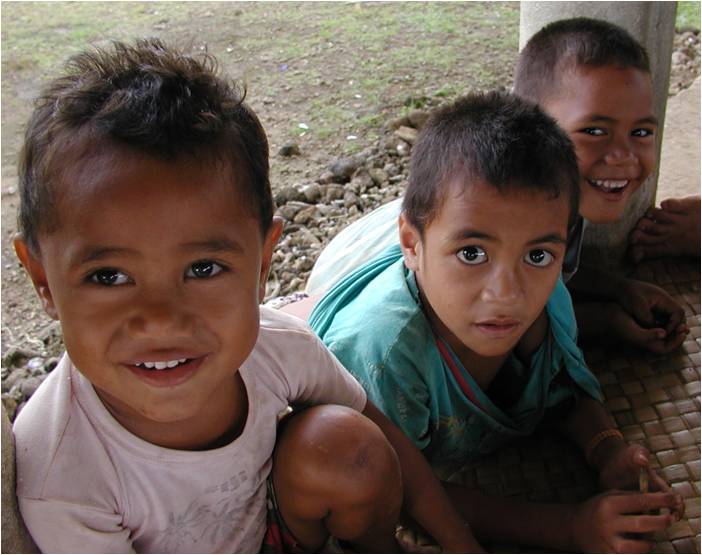
Hal is at the Department of Anthropology at Indiana University-Purdue University Fort Wayne (or IPFW). We started grad school at Emory together, where Hal did his doctoral research on children’s learning in Samoa. Here is the abstract to his thesis (which you can download in all its glory here).
samoa-sib_care

This doctoral dissertation examines the processes of cultural learning by which Samoan children (0-12 years of age) come to understand local concepts of hierarchy, social rank, and respectful behavior. This is a particularly important domain of cultural knowledge in contemporary Samoa as titular chiefs exercise wide-ranging social, political and economic powers in their families and villages, and concerns with relative rank organize social interactions between all members of society. Consequently being able to understand local models of hierarchy is an essential component of children’s developing social and cultural competence.

This dissertation documents how children are socialized to use observational, imitative, and participatory learning as primary modes of social learning, as they adapt to familial demands and practices, prevailing ethnotheories of child development, and other aspects of their developmental niche. The ways in which social learning is structured in this context are compared with predictions from Vygotskian “cultural-historical” activity theory to demonstrate the analytic necessity of attending far more to the socio-cultural context in which children develop to more adequately understand the nature and full range of variation in developmental processes.

Hal’s new research in Samoa combines his interest in children’s socialization and development with a concern for their well-being, with a particular focus on mental and behavioral health. He plans to examine how variations in biological, psychological and sociocultural processes (e.g. children’s temperament, attachment relationships, household organization and dynamics, and social rank) interact at the level of the individual to generate diversity in developmental trajectories and outcomes.
samoan_kids2

Hal is co-author with Tara Callaghan and Phillippe Rochat of the paper Synchrony in the Onset of Mental-State Reasoning: Evidence From Five Cultures (pdf), which examines mental-state reasoning as a universal milestone in child development (see this press release). He also has a paper in Educational and Child Psychology that argues that observational learning is an important and culturally promoted form of social learning in Samoa.

If you want to get in touch with Hal, his email is oddenh at ipfw.edu

Cameron Hay, Healing and Memory

cameron-hay
Another presenter at our Encultured Brain session is M. Cameron Hay-Rollins, a professor of anthropology at Miami University in Ohio. Her talk is The Relevance of Neurology to an Indonesian Healing Tradition, based on her work with the Sasak people on the island of Lombok in Indonesia. Here is the abstract:

Jampi are central to healing among the Sasak of Indonesia. When someone is ill, people respond with jampi — secret, oral formulae that are memorized verbatim. The ethnographic processes through which Sasaks memorize and later treat illness with jampi rely and elaborate upon neurological processes. In this paper, I explore the co-emergence of the social and neurological processes that facilitate verbatim oral memory and enable people to respond to illness constructively. Specifically I examine how Sasaks remember jampi, noting that the social contexts surrounding illness promote remembering in ways that fit the neurological evidence on successful effortful recall of episodic memories. Because research suggests that moderately stressful events promote memory accuracy, the Sasak practice of gathering around an ill person and urgently discussing the illness likely promotes jampi recall. In analyzing the Sasak reliance on jampi as a unique way of culturally elaborating neurological processes, I show the central importance of anxiety in facilitating memory and motivating agency in a world of compelling concerns. By integrating neurology into my analysis of Sasak healing practices, I conclude that methodologically examining anxiety in ethnographic contexts may contribute significantly to our understanding of social action.

Overall, Cameron integrates neurobiological insights into memory with anthropological research on social memory through a focus on ritual, language and enculturation through development. These concretes processes are what can get biological and cultural ideas together, and are a core focus of neuroanthropological research. She describes this research more in the forthcoming article “Anxiety, Remembering and Agency: Biocultural Insights for Understanding Illness” which will appear next year in Ethos. You can see all her publications at her website. But I’ll be happy to provide some highlights myself.

the-sasak-in-indonesia
Her book Remembering to Live: Illness at the Intersection of Anxiety and Knowledge in Rural Indonesia comes with this Amazon description:

Sasaks, a people of the Indonesian archipelago, cope with one of the country’s worst health records by employing various medical traditions, including their own secret ethnomedical knowledge. But anxiety, in the presence and absence of illness, profoundly shapes the ways Sasaks use healing and knowledge. Hay addresses complex questions regarding cultural models, agency, and other relationships to conclude that the ethnomedical knowledge they use to cope with their illnesses ironically inhibits improvements in their health care.

Cameron recently published on her new work examining clinical interactions and medical information in the US in the paper Reading Sensations: Understanding the Process of Distinguishing `Fine’ from `Sick. Here’s a relevant part of the abstract where she is using a biocultural approach to understand how we move from our own experience to an illness category: “Perceptional and interpretive decisions regarding what sensations need to be attended to as potential symptoms may be the result of personal awareness of cultural ideas about vulnerability, sensation duration, and interference with activities. The interpretation of sensations is always tentative, conditional on further cultural information regarding whether the sensation should be constructed into a symptom.”

If you want to get in touch with Cameron, her email is hayrolmc at muohio.edu

Christina Toren, Our Intersubjective Relations, and Ethnography

christina-toren
Christina Toren is a professor of anthropology at the University of Saint Andrews. In the Encultured Brain session, she will give a talk on Inter-subjectivity and the Development of Neural Processes. The abstract goes like this:

How might inter-subjectivity be understood to inform the development over time of each one of us considered as an autopoietic (self-creating, self-organizing) system? This paper argues that the development of the neural processes that characterize human conceptual development is an emergent aspect of the functioning of an embodied nervous system for which inter-subjectivity is a necessary condition. The genuine multiplicity of human beings as organisms characterised by historicity is not explained, indeed usually not even fully acknowledged, by current neuroscience models of infant and child development.

This paper proposes a dynamic systems approach to the anthropology of human development which shows why cognitive science on the one hand and, on the other, cultural construction, cannot explain the multiplicity of human being – that is, how it comes to be the case that what differentiates us is a function of what we have in common.

In her paper Christina draws on the founders of the idea of autopoiesis, Humberto Maturana and Francisco Varela, who co-authored the book Autopoiesis and Cognition. She also discusses the recent book Mind in Life: Biology, Phenomenology and the Sciences of the Mind by Evan Thompson. Varela and Thompson, along with Eleanor Rosch, co-wrote the classic The Embodied Mind: Cognitive Science and Human Experience.

Christina approaches the problem of the embodied mind, our development, and our ways of understanding each others’ ideas and experiences as an ethnographer first. Insisting on the importance of ethnography has been a consistent theme in her work. In her chapter Ethnography: Theoretical Background in the volume Handbook of Qualitative Research Methods for Psychology and the Social Sciences, she argues for an ethnography “that is open, phenomenologically oriented, reflexive and free of predetermined hypotheses.” More recently, she wrote in How Do We Know What Is True? in Questions in Anthropology, “The explanatory power of our ethnographies must be made to reside in rendering our informants’ categories analytical,” by which she means amenable to historical and social analysis. “The meaning of a category cannot properly be taken for granted… it requires, always, an ethnographic investigation to establish how it is used and what its implications may be.”

Christina does a lot of her ethnographic work in Fiji in the South Pacific. Recently she published the article Sunday Lunch in Fiji: Continuity and Transformation in Ideas of the Household, which examines how the ritualization of eating, the intensification of commodity exchange, and children’s development help us understand both cultural continuity and change over time in the concept of what we might call home (even though household means something rather different there). Her earlier book Mind, Materiality and History: Explorations in Fijian Ethnography has the following Amazon description:

Mind, Materiality and History: Explorations in Fijian Ethnography is the outcome of over a decade’s research into how Fijians live their lives and constitute their knowledge of the world. Through this exploration, the author aims to derive a new theory of embodied mind that works as well for explaining ourselves as it does for explaining others. Investigating the processes by which humans interact with the material world of objects and with other people, the book addresses the issue of how we form our identities in connection with, and in contrast to, the identities of those around us. Mind, Materiality and History demonstrates that the human mind is the fundamental historical phenomenon.

Fiji. Some anthropologists get the best field sites… But that’s not why we do it! As Christina writes in her profile, “As an anthropologist, I am fascinated by the extraordinary variety and complexity of human beings. What interests me is how we become who we are – each one of us uniquely ourselves – and how the history of our relations with others informs this process of becoming ourselves.”

If you want to get in touch with Christina, her email is christina.toren at st-andrews.ac.uk