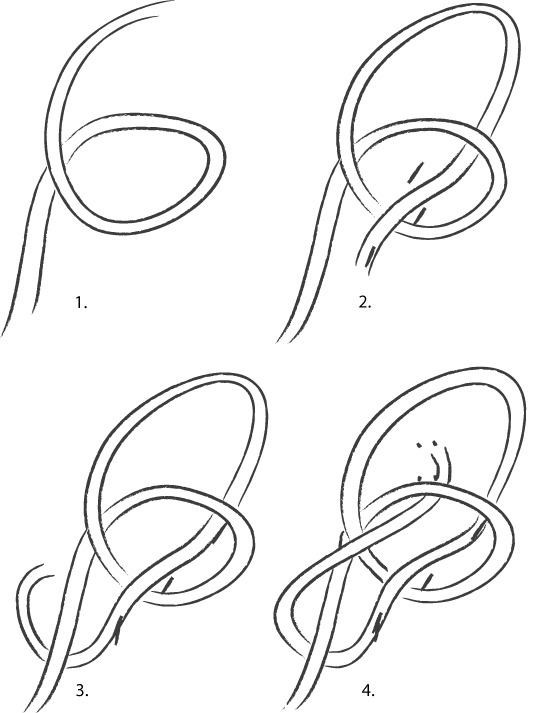
Trying to describe the process of becoming an alcoholic is like trying to describe air. It’s too big and mysterious and pervasive to be defined… [T]here is no simple reason it happens, no single moment, no physiological event that pushes a heavy drinker across a concrete line into alcoholism. It’s a slow, gradual, insidious, elusive becoming.
-Caroline Knapp
Caroline Knapp wrote those lines near the beginning of her powerful memoir Drinking: A Love Story. Every year I use this book in my class on addiction. Students get drawn into Knapp’s clear and close account of how she began to drink so much, what it is like to be an alcoholic, and how she managed to get to recovery. Every year the book challenges my own thinking as well.
I used that last line—alcoholism as a slow, gradual, insidious, elusive becoming—to end my earlier post on Subjectivity and Addiction: Moving Beyond Just the Disease Model. There I argued that our two views of addiction, a popular one of getting hooked on things and a serious one about tolerance and destructive use, are crucial to understanding what addiction is.
For each category my class stuck up exemplars on the blackboard, from Facebook to hard-core drugs. Then I drew a ↔ between the two categories, using a thick two-headed arrow to indicate that the subjective and biological views interact. Both sides matter.
But I’ve realized that is not enough. That double-sided arrow remains woefully inadequate, a place marker that can end being two-faced, saying nothing of consequence, or double-edged, used simply to cut into the other side. That one symbol tells us little about the interactions themselves, about how people and disease mesh. It lends no insight into what Knapp shows us with her book—that addiction is an elusive and terrible becoming.
So how do you become an alcoholic or addict? How do you go from something fun to something all-encompassing? This question matters deeply. One fact, often overlooked in all the moral angst about addiction, is that most people who try alcohol or drugs do not end up addicted to them. They remain on the popular side. But some cross over. In the same passage as the opening quote, Knapp describes the end point: “Alcohol is everywhere in your life, omnipresent, and you’re both aware and unaware of it almost all the time; all you know is you’d die without it, and there is no simple reason why this happens… (8)”
Continue reading “The Insidious, Elusive Becoming: Addiction in Four Steps”


 PodBlack Cat is hosting a
 Two great carnivals this week. The Blog That Ate Manhattan (love the name!) is
  Neuroanthropology