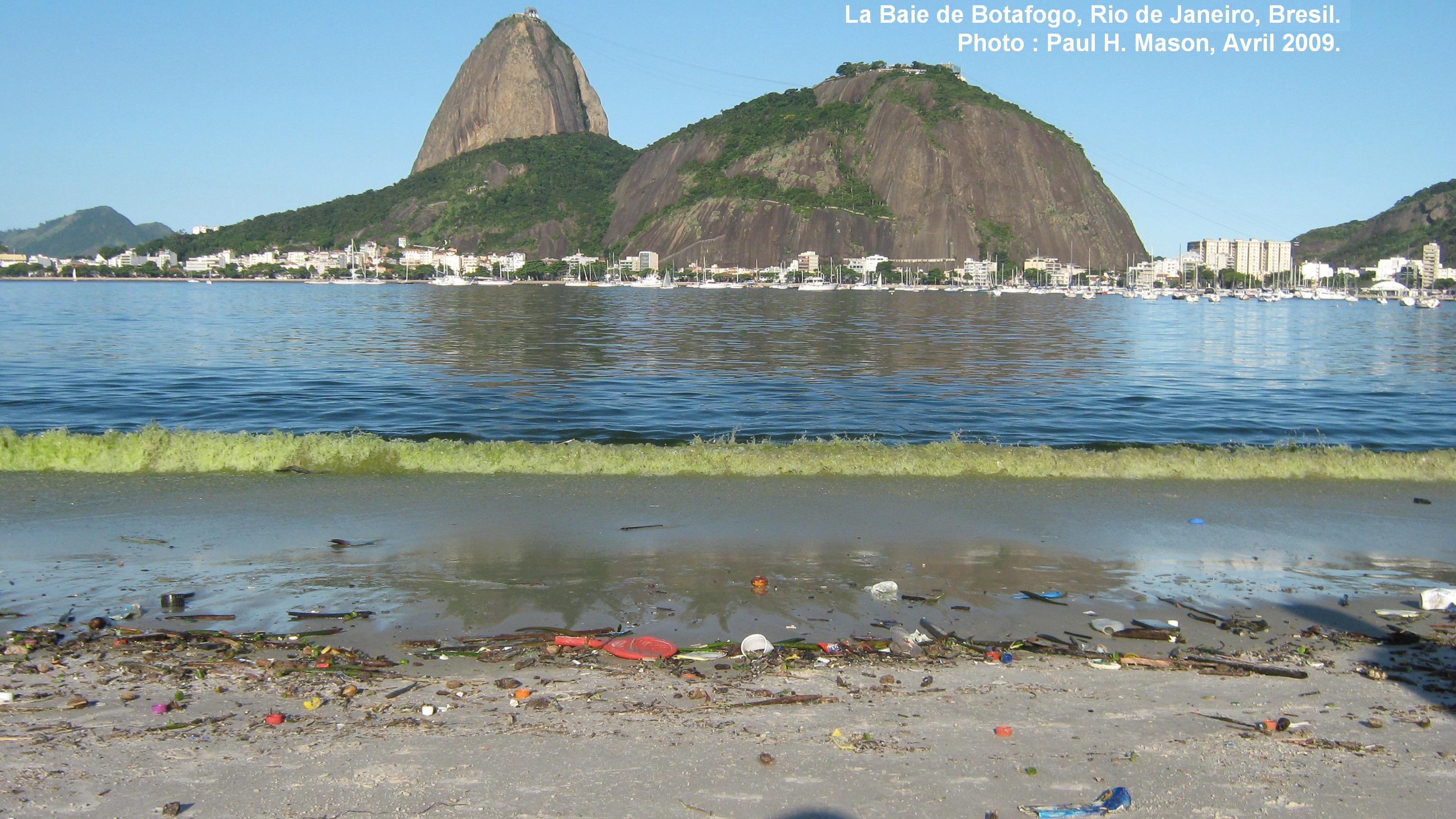
Finissez cette citation :

« Comment s’effectue cette mise en mémoire culturelle ? La rèponse… »
How would you complete the following unfinished quote?
“How does this cultural memory work ? The answer…”

Finissez cette citation :
« Comment s’effectue cette mise en mémoire culturelle ? La rèponse… »
How would you complete the following unfinished quote?
“How does this cultural memory work ? The answer…”
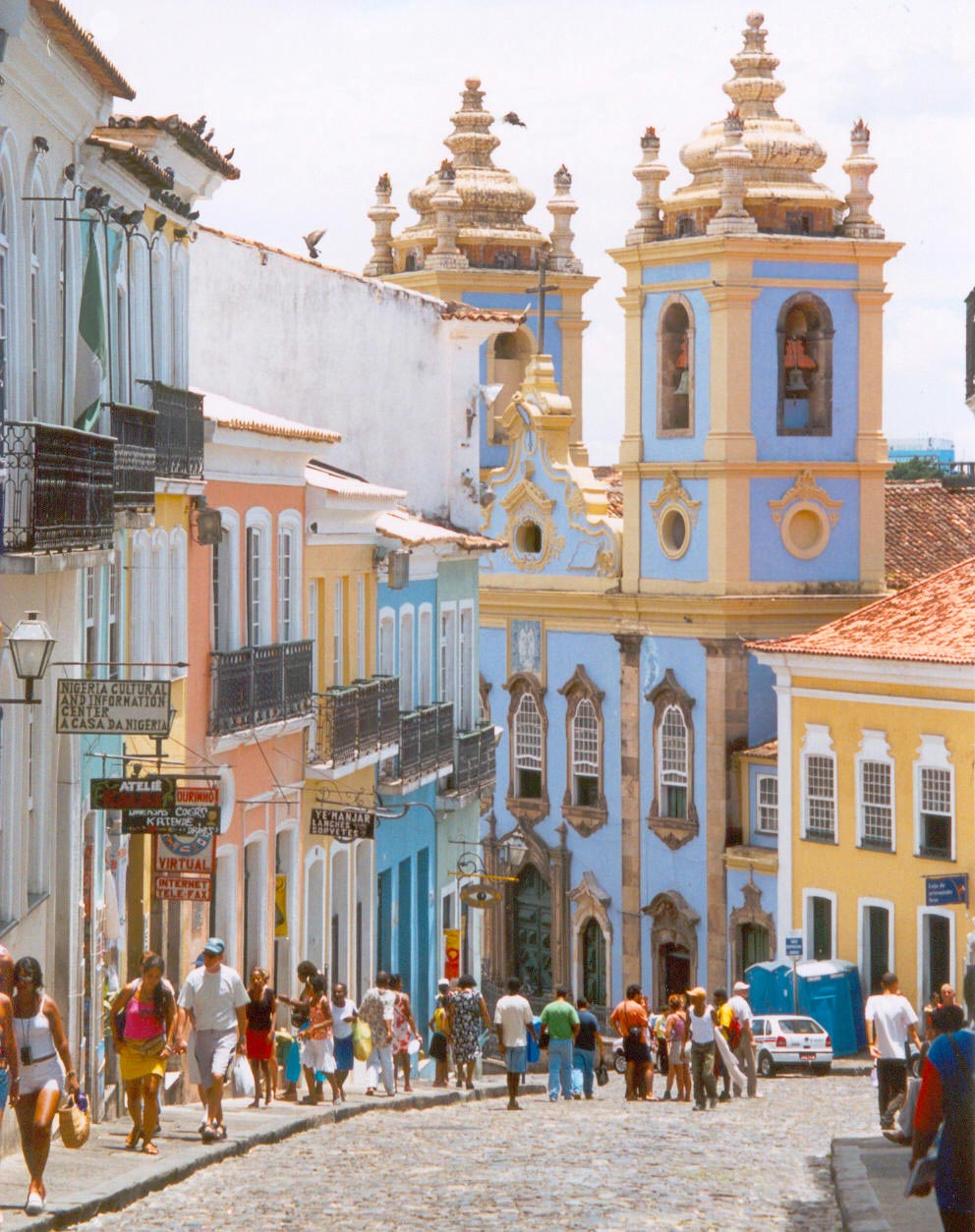
“As our environment continues to change around us, the question Albrecht would like answered is, how deeply are our minds suffereing in return?” (Daniel Smith, 2010)
Pelourinho is the historical and cultural drawcard for tourists visiting Salvador da Bahia in Brazil. A lively epicentre of music, dance and restaurants, the area merits its prized holiday destination status. Tourists who visit the Mercado Modelo in Pelourinho might venture beneath this popular market into the slave chambers below and become aware of the tragic history of slavery that haunts the region. What many tourists might not know, however, is that the Pelourinho district underwent massive restoration efforts under the government during the 1970s and the 1990s. The area had become home to the poor and they were offered no more than a month’s wages or nothing at all to vacate and relocate. Studies show that of the 1300 families living in Pelourinho in 1992, only about 200 were able to remain in the neighbourhood (Collins, 2004:212). Those who have seen the changes can tell you how much the tourist development of Pelourinho affected the lives of the people that lived there. But even without a mastery of Portuguese, you don’t have to wander far off the pretty streets of Pelourinho to see a community in disarray. In my own travels, I encountered pregnant women high on drugs, old drunken men wielding screwdrivers as weapons and seven year olds with pocket-knives and guns. You only have to look at the long queue of tourists that line up daily at the tourist-police bureau to understand the amount of crime that plagues the region. Tourists are not being robbed by poor people that hate them, the tourists are being robbed by people who are indifferent to them.
The local government has not stopped removing people from their homes in their bid to increase tourism. There are still attempts to forcefully move people out of the coast-dwelling shanty-towns in order to erect 5-star resorts and luxury wharfs. One of the communities that I worked with in the Alto da Sereia were actively involved in public actions to resist these attempts. There are people who care, but I have to admit that Brazil was the first place where I learnt that indifference really is the opposite of love. So many people have grown up learning to be indifferent to their situation as a psychological survival strategy against solastalgia. This culturally entrained indifference is the source of a lot of crime in Brazil. In my own country, Australia, I am starting to see the cultural entrainment of ‘indifference‘ taking place in another sphere of human concern that affects our homes and where we live.
Continue reading “Solastalgia, Soliphilia and the Ecopsychology of our Changing Environment”
Made it to 100! Still the mash-up form, but I stuck a bunch on video games at the game over…
Carolyn Sargent, Who Are We in the Public Imagination?
The Society for Medical Anthropology has a new blog Voices from Medical Anthropology. Here the current SMA president asks how we present ourselves as medical anthropologists. Comments encouraged!
Chris Kelty et al., Outlaw Biology? Public Participation in the Age of Big Bio
Looks like a fascinating symposium this coming Friday and Saturday (Jan 20th & 30th) at UCLA. Plus just a fun site to explore.
Dr. Shock, The Neuroscience of Jazz
Tom Beek playing, plus fMRI studies of jazz improvisation
Mary Hrovat, Civilization Founded on Beer?
“Patrick McGovern, an archaeologist who studies human exploration of fermented beverages, believes that it might have been the desire for reliable access to alcohol, not food, that spurred the farming revolution that swept Neolithic culture…”
Le Brésil au XIXème et XXIème siècle:
Une étude sur la croissance de la population, de l’urbanisation et de la pollution dans le monde en voie de développement
Le Brésil est un pays caractérisé par d’importants contrastes entre la pauvreté et la richesse, la beauté et la pollution, les “bidonvilles” et les “gratte-ciel(s)”. Dans le monde en voie de développement, le Brésil est considéré comme un exemple de ce qui peut arriver autre part lorsque l’urbanisation est probable. La population urbaine augmente beaucoup plus rapidement dans les pays en voie de développement que dans les régions plus développées. Qu’arrivera-t-il alors, lorsque le modèle de consommation des sociétés hautement urbanisées deviendra global? Avec la croissance de la population devenue incontrôlable, quelles seront nos limites?
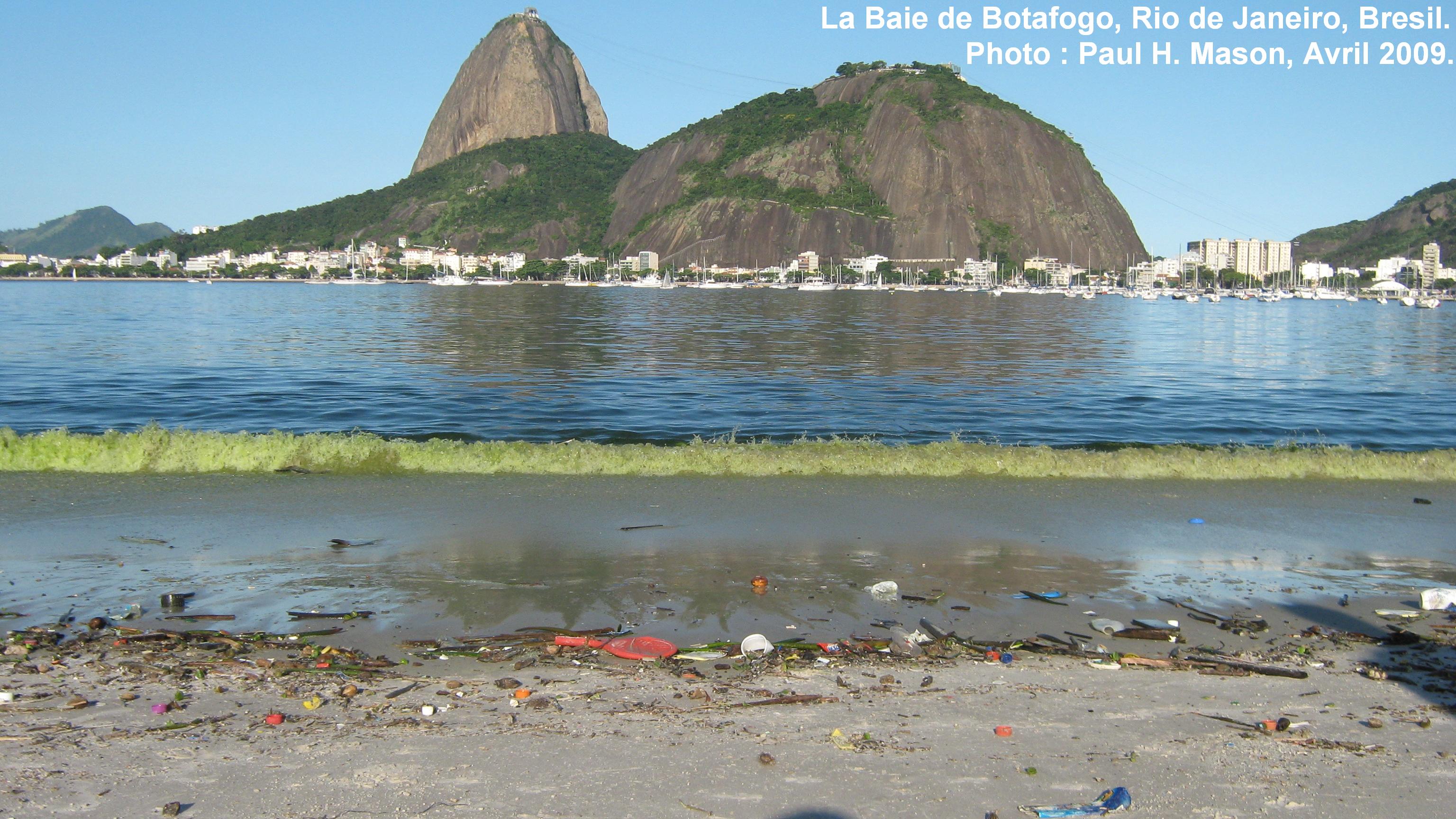
“Où que j’aille, la nuit ou le jour, les choses que j’ai vues, je ne peux plus les voir.”
Extrait de l’ “Ode on Intimation of Immortality”
de William Worsdworth , 1770 – 1850
Finissez cette citation :

« Bien entendu, il y a encore un gouffre béant entre ce que nous savons actuellement et la compréhension réelle… »
Complete this quote :
“Of course, there remains a yawning chasm between present knowledge and any actual understanding of…”

Heidi Tan from the Charlie Rose show sent me an announcement about a recent broadcast because we had previously posted on discussions of the brain on Rose’s show (Find part one of that series here on YouTube or, better yet, go to the Charlie Rose website for the whole series of [currently] four episodes). Last night’s episode, ‘The Social Brain,’ included discussion with panelists Cornelia Bargmann of Rockefeller University, Giacomo Rizzolatti of the University of Parma (Italy), Gerald Fischbach of the Simons Foundation, Kevin Pelphrey of Yale University and co-host Eric Kandel of Columbia University. The group discusses social interaction, mirror neurons, autism, aggression, learning and the need for greater research on the ‘social brain.’
“Although many aspects of social behavior are learned, one of the striking things we’re going to hear about is that some aspects of social behavior are determined by individual genes that have profound effects on how we act, whether we bond together as individuals, degrees of aggression, and other things.” (Eric Kandel, Nobel Laureate, Columbia University)
If you missed last night’s episode catch it again tonight on Bloomberg Television® at 8PM and 10PM ET, or listen to the interview simulcast on Bloomberg Radio. Bloomberg Radio is broadcast on 1130AM in the New York Metropolitan area and is available on XM and Sirius. There’s also a version online, but because my Internet connection is so slow right now, I can’t really watch it: go to http://www.charlierose.com/ if you want to check it out.
 Neuroanthropology